Back in 2019, a client came to me with what seemed like a pretty straightforward issue: their paper bags—the heavy-duty, multilayered ones used to pack powdered construction materials—were not doing them any favors. They weren’t strong enough, they weren’t consistent enough, and to top it all off, they were getting more expensive. A perfect procurement cocktail… of headaches.
They wanted two things: better quality and lower costs. Easy to say. A little less easy to execute.
So we started the way any real sourcing project starts: understanding what was truly going wrong. I reviewed the technical requirements, dissected performance issues, and mapped out exactly what was needed for these bags to stop being a liability and start being an asset.
Once the specs were clear, I went to work finding the right manufacturing partners. Not “a supplier”—a real supplier. After shortlisting and vetting several factories, we identified the one that checked every box: quality systems, certifications, production capacity, export experience, and the rare ability to answer emails like a responsible adult.
From there, I took over the full procurement cycle. And yes, it was as detailed as it sounds:
- Developing and approving samples
- Reviewing and locking in technical drawings
- Negotiating pricing and commercial terms
- Placing orders
- Following production step by step
- Keeping quality under control
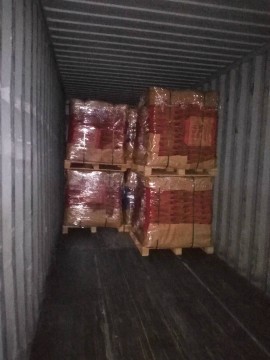
- Managing export documentation for five shipments
The result? The client got packaging that actually performed the way it was supposed to. No more tearing, no more inconsistent batches, and no more unnecessary costs. Production stabilized, expenses dropped, and their supply chain went from “meh” to “finally under control.”
Most importantly, the client could focus on growing their business instead of babysitting a supplier that was never up to the job.
This project became one of those reminders that even something as simple as a paper bag can become a strategic advantage—when the sourcing is done right.
 Victoria miranda